Why Hospitality Should Change How You Feel
The most meaningful guest experiences do more than satisfy people. Sometimes they change the way people see themselves.
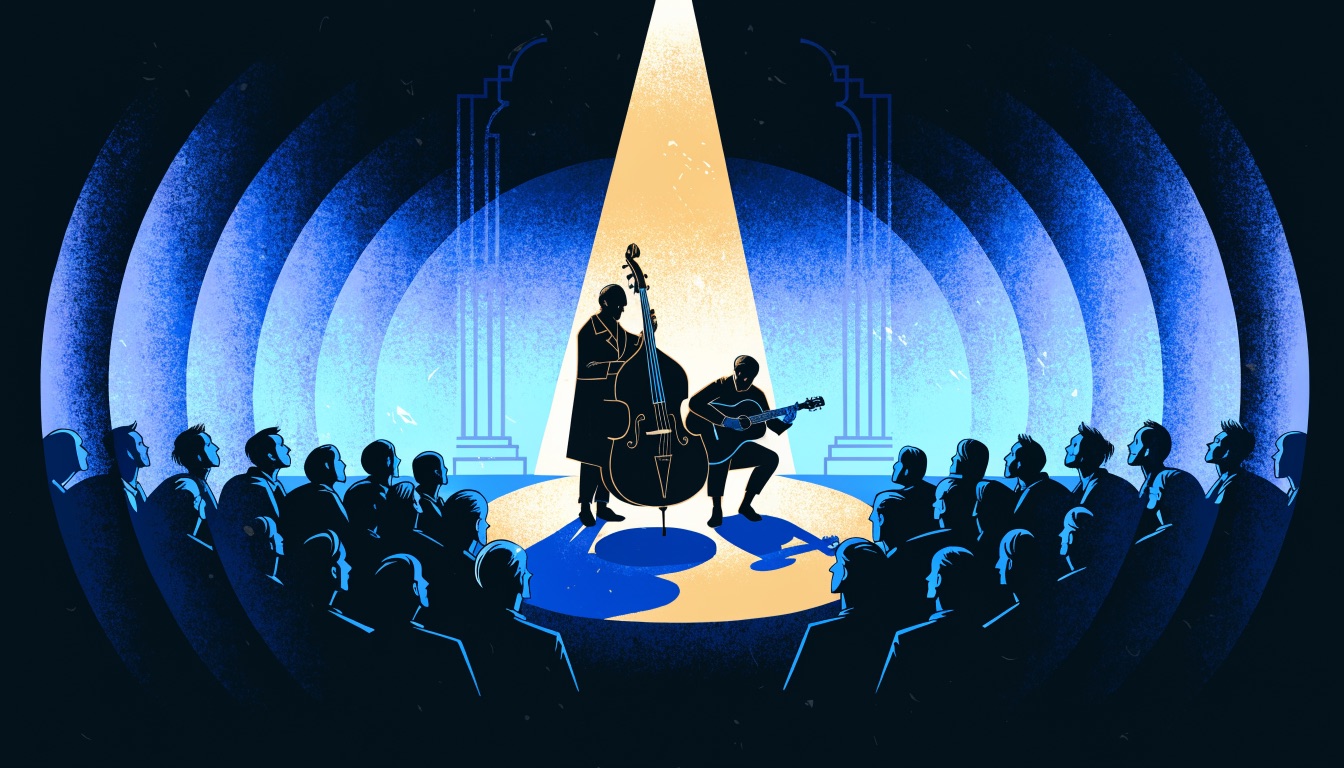
There is a specific sound a room full of people makes when every conversation in it stops caring about itself. I didn't know the sound existed until I owned a bar. It isn't silence. It's closer to a tide going out: sixty voices dropping together, unrehearsed, because sixty sets of instincts have noticed something before sixty brains have.
One night at Venetian, in the middle of an otherwise ordinary evening, the room made that sound.
I'd love to tell you I caught it immediately. I did not. I was at the end of the bar doing something operational and forgettable, the kind of task that makes up ninety percent of owning a lounge and zero percent of anyone's fantasy of owning a lounge. The bartender was mid-build on a cocktail. The music was doing its quiet work. And then the tide went out. Conversations dropped. Chairs shifted. A small crowd of strangers turned toward the same corner of the room at the same moment, in the same direction, like a camera pan nobody called.
Here is what I can tell you about the couple in that corner: almost nothing. Partly because it's their story and not mine, and partly because from where I stood they were mostly silhouette. One shape standing. One shape considerably lower than a person ought to be in a cocktail lounge. At which point the math does itself.
Someone was on one knee.
The staff figured this out roughly ninety seconds after everyone else in the room did. I want to be precise about that number, because every instinct I have as an owner is to tell you we saw it coming, that we'd been quietly orchestrating the whole evening since the reservation. We had not. There was no warning. No note, no nervous co-conspirator pulling a manager aside, no ring hidden in a dessert, which is honestly for the best, since hiding jewelry in food is how a proposal ends up involving paramedics. We found out the way the room found out. Late. By watching everybody watch.
And then you discover there is no playbook. No service manual on earth has a chapter called "a stranger is having one of the five biggest moments of their life in your corner and you are holding a bar towel." You do what feels correct. In our case that meant a round of Venetian Ginger Ale sent to the corner, a genuinely bewildered congratulations, and then the entire staff pretending, with total commitment, that all of this had been part of the plan.
It had not been part of the plan.
Something had, though. That's the part that took me a while to understand, and it's the reason I'm telling the story. I didn't design the room so people would propose in it. I designed it so people would feel more like themselves in it. It turns out those are sometimes the same problem, and the rest of this essay is me trying to work out why, because I think the answer changes what hospitality actually is.
The scoreboard we all agreed to
Hospitality lives inside a pretty narrow set of metrics. Was the drink good. Was the room clean. Was the service fast. Did they leave five stars. Did the check land somewhere near where the spreadsheet hoped it would. These are useful questions. I check every one of them, I want them all high, and I have no patience for the version of this argument where an operator gets mystical about "the experience" while the bathroom is dirty. The metrics keep businesses honest. They keep owners from getting delusional about how the guest actually spent the last two hours.
But look at what they measure. They measure whether you cleared the bar of expectation. They don't measure whether anything happened.
There's another question, much harder to put on a report, that I've come to think is the real one: how did the person feel when they walked in, and how did they feel when they walked out?
If those two feelings are more or less identical, congratulations. You ran a competent service transaction. The wine was correct, the check arrived at the right moment, nothing was broken. That is not a bad night. Most nights, in most places, are that night, and civilization more or less runs on them.
The nights that mean something are the ones where those two feelings are different. Where the room did something the transaction couldn't.
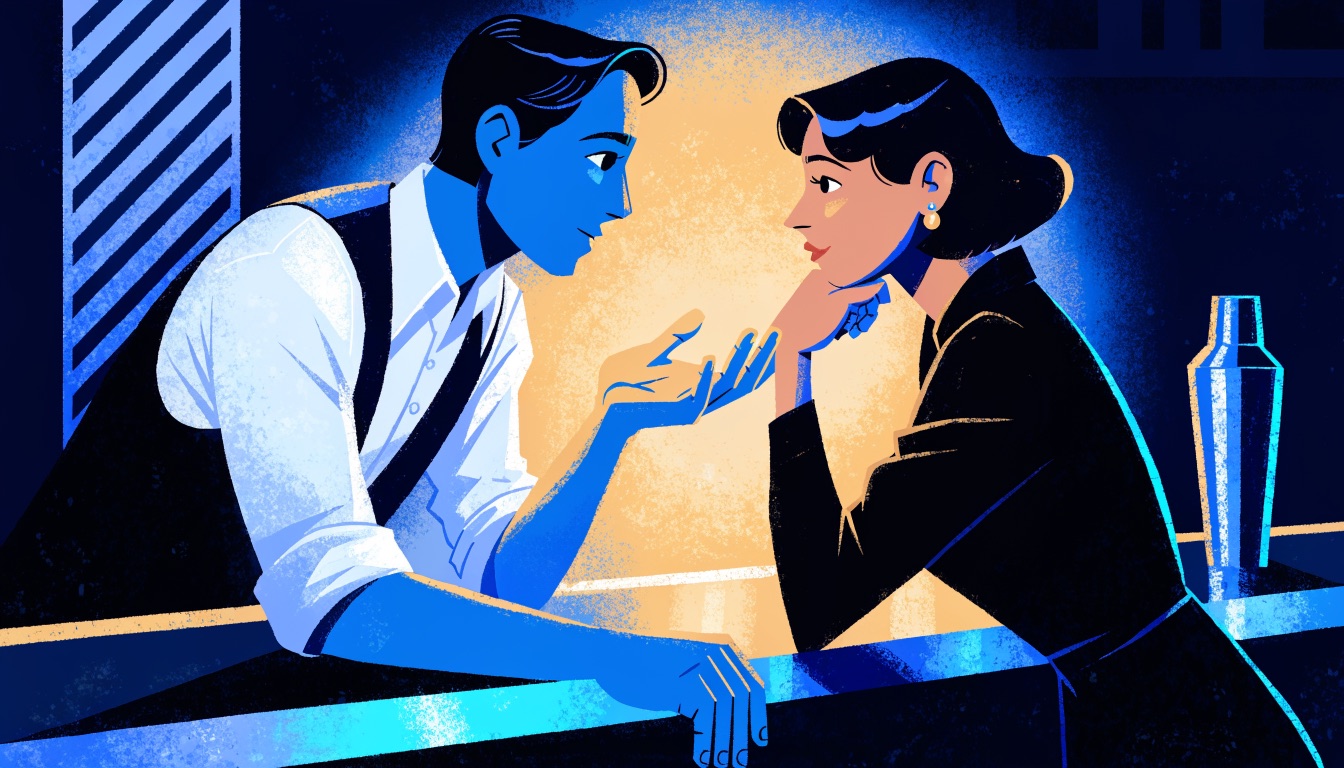
I've started thinking of this as the difference between service and transformation. Service is a category of doing. Transformation is a category of feeling. They live next door to each other, and one depends on the other, but they are not the same thing. Service says: I brought the right drink, remembered your allergy, and cleared the empty glass before you had to ask. Transformation says: I noticed you walked in carrying your whole week, the room gave you enough cover to set it down, and by the second drink you were laughing about the thing that has been sitting on your chest for a month.
Service is the material infrastructure that makes transformation possible. Without it, nothing else works. With only it, nothing else happens.
Most operators stop at service, and I understand why. Service is what you can be graded on. Transformation is invisible on a spreadsheet. It shows up months later, sideways, in things that look like coincidence: the same guests returning to celebrate the same anniversary, somebody mentioning that their parents' first date happened in your room, a couple choosing your corner for the biggest question either of them will ever ask. We'll come back to that corner.
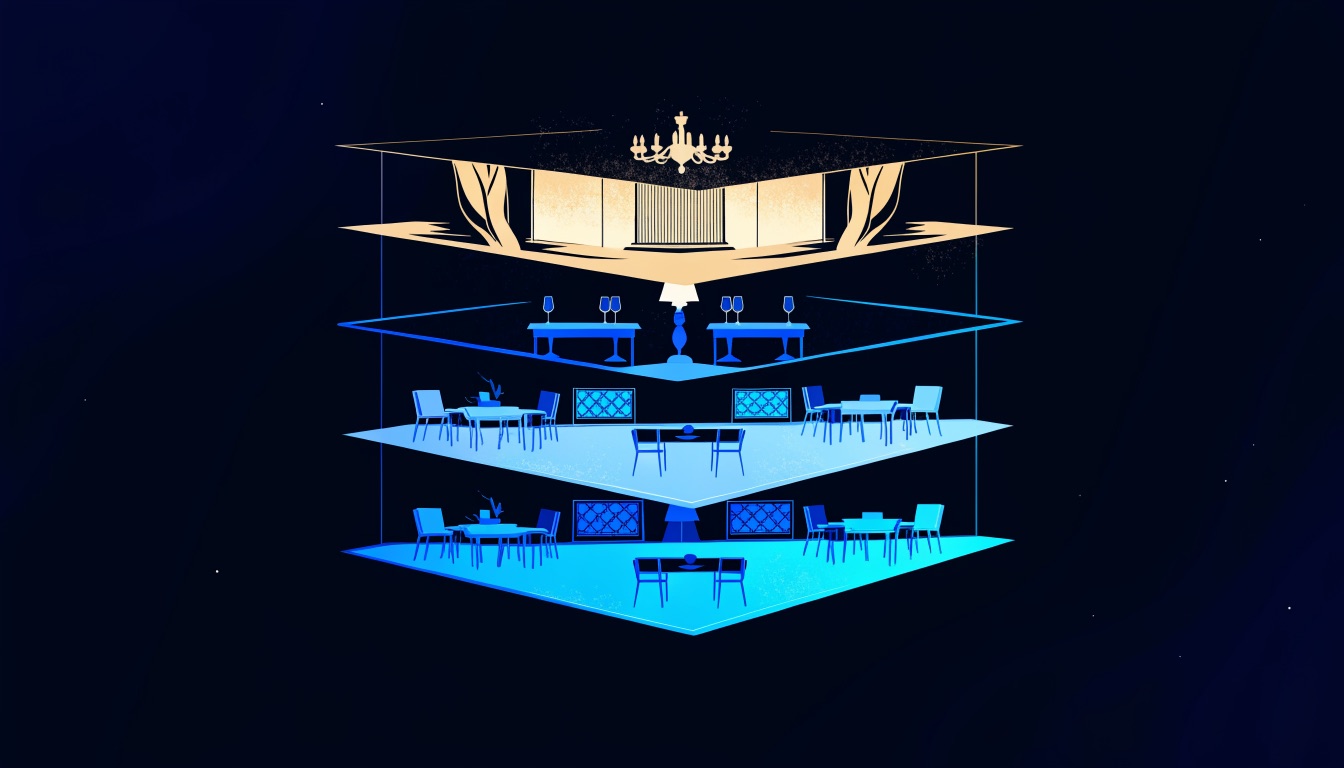
So what actually creates the shift? This is the strange part: nothing profound. It's almost always a stack of small choices that happen to land together. Lighting warm enough and low enough that people look softer than they do at their desks, because how a guest believes they look in a room quietly decides how much they enjoy being in it. Music curated for the specific hour rather than the whole shift, because the person who walks in at six is not the person they'll be at ten. Enough sonic space that two people can talk without leaning in, and enough life in the room that nobody feels watched. A host who remembers your drink from last time and doesn't make a production of it, because a production turns hospitality into theater about itself. A menu that reads like it was written by a person with a point of view instead of a committee negotiating with the delivery apps.
None of this requires heroics. It requires somebody standing in the room and asking one question honestly: is this working for the person who just walked in, or is it working for the flowchart in the back office?
I'll flag the obvious objection, because I would have raised it myself a few years ago: this can sound precious. Restaurants are brutal businesses with unforgiving math, and here's a guy talking about how the light makes people feel about their own faces. But notice that almost nothing on that list costs real money. Warmer bulbs cost what bulbs cost. A playlist costs an afternoon of somebody's taste. Remembering a drink costs nothing but attention. The expensive parts of hospitality were never the feelings. The expensive parts are the build-out, the payroll, the inventory, all the things every competitor also has to buy. The feeling is nearly free, which is exactly why it's such a strange thing to leave on the table, and why so many rooms with enormous budgets still manage to feel like nowhere.
I learned this in a dark room full of monitors
Before hospitality, I spent about two decades in film editing and visual effects, and later in commercial filmmaking after founding RetroMotion Creative in 2009. Editing is a strange education, because the entire discipline is emotional control the audience never sees. Where to cut. How long to hold a shot past the point of comfort. What to reveal, what to withhold, and for exactly how long. When silence is the correct sound design. You sit in the dark adjusting how thousands of strangers will feel, one frame at a time, and if you do the job right, not one of them ever notices you were there.
The clearest lesson editing ever taught me is that an audience's feeling is assembled from decisions they would call invisible if you showed them the list. Nobody walks out of a theater saying the cut from the hallway to the kitchen came eleven frames early and it made me trust the character less. They say the movie felt off. Guests do exactly the same thing. Nobody says the light temperature was wrong and the playlist was running an hour ahead of the room. They say the place felt off, and then they quietly never come back, and the owner blames the location.
Spend enough years doing that and you can't turn it off. You start noticing when a physical room is doing the same work. And, more often, when it isn't. Most rooms are containers for transactions. The container is neutral, the transaction is fine, the audience feels nothing in particular and forgets the room by Thursday. The rooms I find interesting are the ones that made choices, and that includes rooms I personally don't love. A brutally minimal Copenhagen dining room and a maximalist tiki bar are doing the same job: deciding how the guest should feel, then bending every surface toward that feeling. You can respect the discipline even when the aesthetic isn't yours.
For a long time I assumed this way of reading rooms was a filmmaker's private hobby, a professional deformation I was smuggling into a new industry. Then I started paying attention to Steve Wynn. Wynn spent decades making a public argument about hospitality, and I'm paraphrasing his idea here rather than quoting him: the actual product of a hospitality business is not the room, the food, or the spectacle. The actual product is the guest's self-esteem. Everything else, the chandelier, the service choreography, the fountain, is a delivery mechanism. If the guest walks out feeling like a slightly better version of themselves, the product got delivered. If they don't, it didn't, no matter what the marble cost.
The first time I encountered that idea, it sounded like casino grandiosity. After a few years of running a room, I think he was understating it. Because self-esteem turns out to be the mechanism inside every one of those small choices I listed. The flattering light is a self-esteem instrument. The remembered drink is a self-esteem instrument. The music that tells you that you came to the right place at the right hour of your life is a self-esteem instrument. There's a much older tradition underneath this idea, a full century of it, which I pull on separately in The Best Hospitality Makes People Feel Important. And the operational version, the layer-by-layer machine we actually run at Venetian, is written up as The Five Layers of Immersive Hospitality. This essay is the why. Those two are the how.
The actual product
Which brings me back to the corner.
The point of the engagement story is not that we did anything clever. We demonstrably did not. We were ninety seconds behind a room full of civilians, and then we did the obvious things. The point is that the couple chose the room. They didn't propose in the car. They didn't wait for the top of a mountain, or the apartment, or a restaurant with more stars and harder reservations. They picked our specific corner as the setting for a story they are going to tell for the rest of their lives. At the wedding. To their friends. Eventually, presumably, to kids who roll their eyes because they've heard it a hundred times. And somewhere inside every telling of that story, permanently, is a room I got to help build.
That is not a review metric. That is the actual product.
You can convert it into numbers if you insist, and eventually the numbers do show up: repeat visits, party sizes, booking cadence, word of mouth, the pattern where people arrive on a Tuesday for no defensible reason. Every one of those figures rises when a room is doing its real job, and every one of them is a lagging indicator of the same invisible event: a guest felt more like the version of themselves they wanted to be.
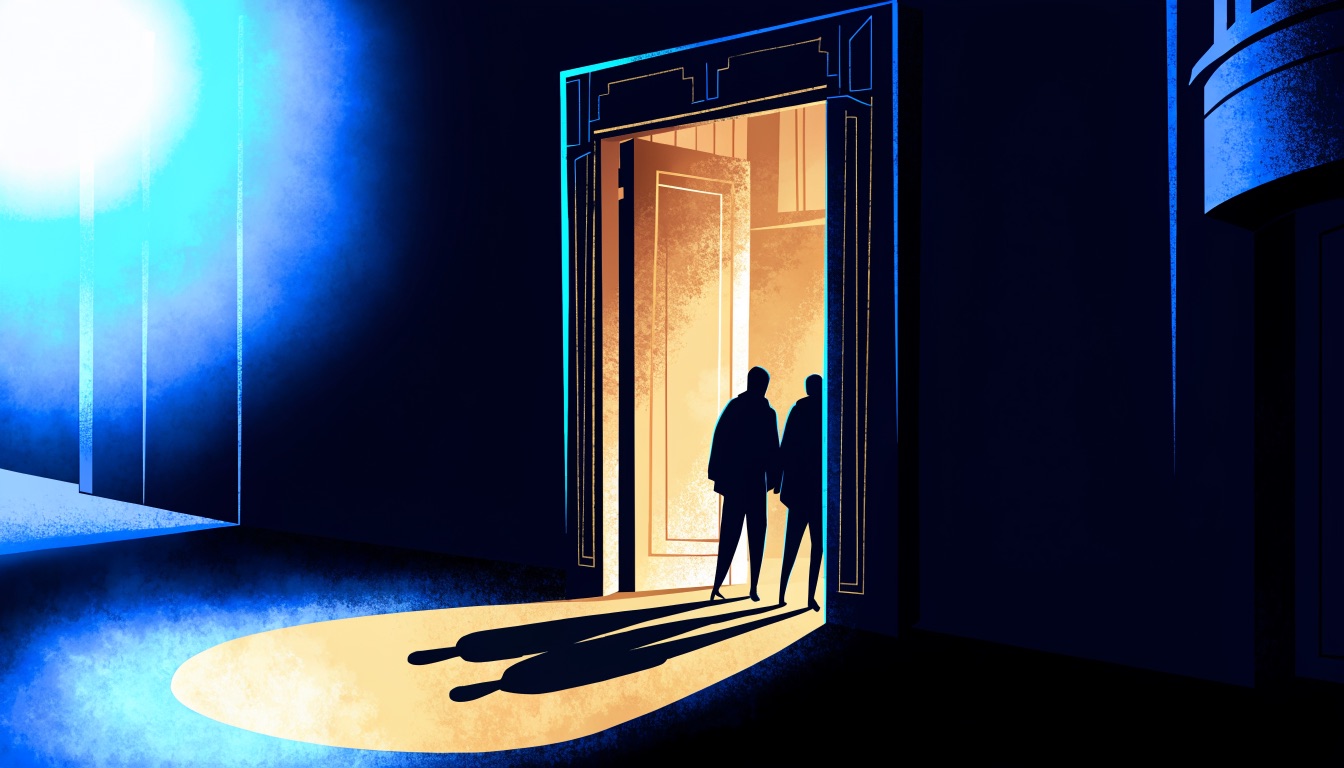
If you'd rather feel the difference than take my word for it, run the test yourself. Go to a room you love and pay attention to the gap between how you felt walking in and how you feel walking out. If something changed, try to name the causes. The light. A person. A specific drink. A song that arrived at the right minute. One sentence somebody said to you. Every one of those was designed by somebody, deliberately or accidentally, and either way it worked on you. Then go to a competent, forgettable room and notice the nothing. It isn't a bad room. It just isn't trying to do anything to you.
For a while, I'll admit, the ninety seconds embarrassed me. We're supposed to be the professionals. We train for anticipation, we pride ourselves on noticing, and the biggest moment of the year got all the way to one knee before a single person on payroll caught on. I have completely changed my mind about this. The ninety seconds are now my favorite part of the story. Because if we had known, we would have staged it. Dimmed the right lamp. Cued something meaningful. Hovered at a tasteful distance with the ginger ale already poured. It would have been flawless, and it would have belonged, at least partly, to us.
Since we didn't know, the room had to do the hospitality by itself. The light they looked good in. The corner that felt private inside a public place. The music underneath everything. Whatever accumulated feeling told two people that this, of all rooms, was the right place to begin the next version of their lives. All of that had already happened, was already working, before anyone on staff noticed a thing. Our contribution was the last ninety seconds. The room covered the rest.
So that's the bar I measure against now, and I'd recommend it over the five stars: not whether the guest was satisfied, but whether they carried something out the door that wasn't there when they walked in. Sometimes it's a mood. Sometimes it's a story they'll tell for years. Sometimes it's just an hour of liking themselves a little more than they did at the door. And once, in the corner, ninety seconds ahead of us, it was a yes.
Related: the Five Layers of Immersive Hospitality framework I use to think about this in more detail, The Best Hospitality Makes People Feel Important, and What a Listening Room Taught Me About Human Attention.