Product & brand
Reformulating and reviving Venetian Ginger Ale as a shipping product, then building the identity around it: positioning, packaging, label design and the product photography the brand ran on.
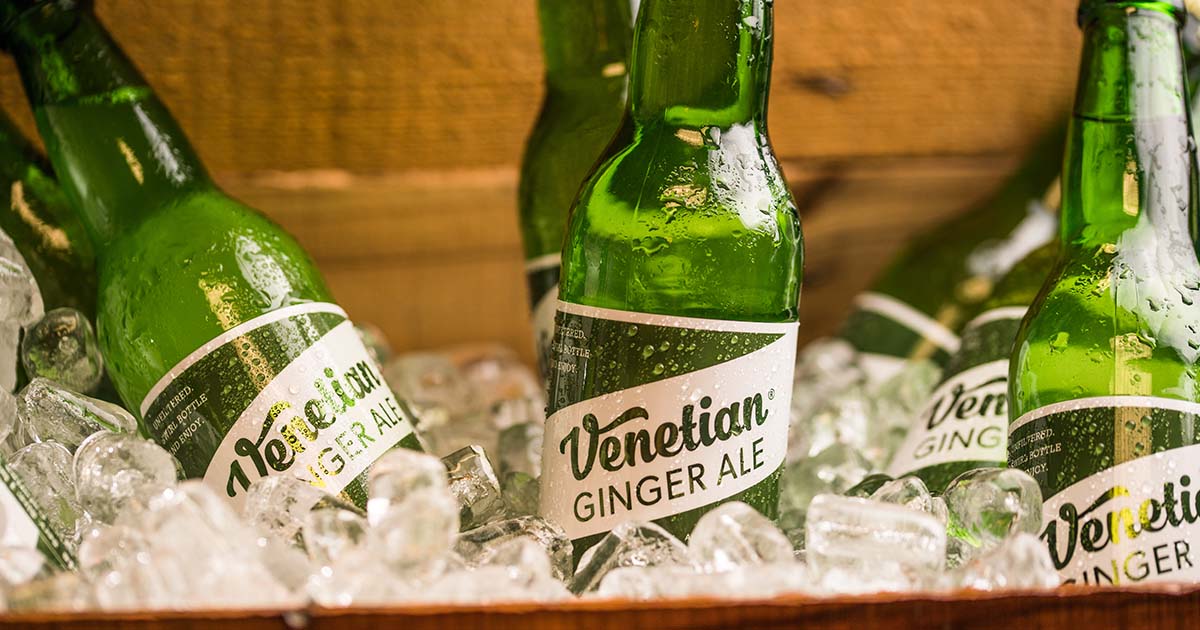
Venetian Beverages is a revived Vermont beverage brand rooted in Justin Bunnell's family history and the original Venetian soda operation connected to Michael C. Dorn.
Instagram Followers
Instagram Posts
YouTube Videos
YouTube Subscribers
Year Revived
NE Distributors
Justin rebuilt the brand around craft soda, heritage storytelling, natural ingredients, packaging design, and the larger Venetian hospitality world. Venetian Ginger Ale was revived in 2017, tied to his great-great-grandfather and the original Burlington soda history. Seven Days reported in 2022 that the soda had been carried by four distributors throughout New England.

The modern Venetian story grew out of something much older. For more than a century the Dorn and Kilburn families were tied to Vermont’s beverage industry. My great-great-grandfather, Michael C. Dorn, built a bottling business at 260 Pine Street in Burlington that eventually became part of Coca-Cola Bottlers of Vermont.
What came down to me was not a factory or a formula. It was photographs, crowns, a shipping crate, an advertisement with a two-digit phone number on it, and a set of family stories that had outlived every business they described.
In 1917 the family built a soda plant at 266 Pine Street. Venetian was one of the threads that ran through it. The interesting question was never how to preserve that properly. It was what would happen if it were allowed to live again.
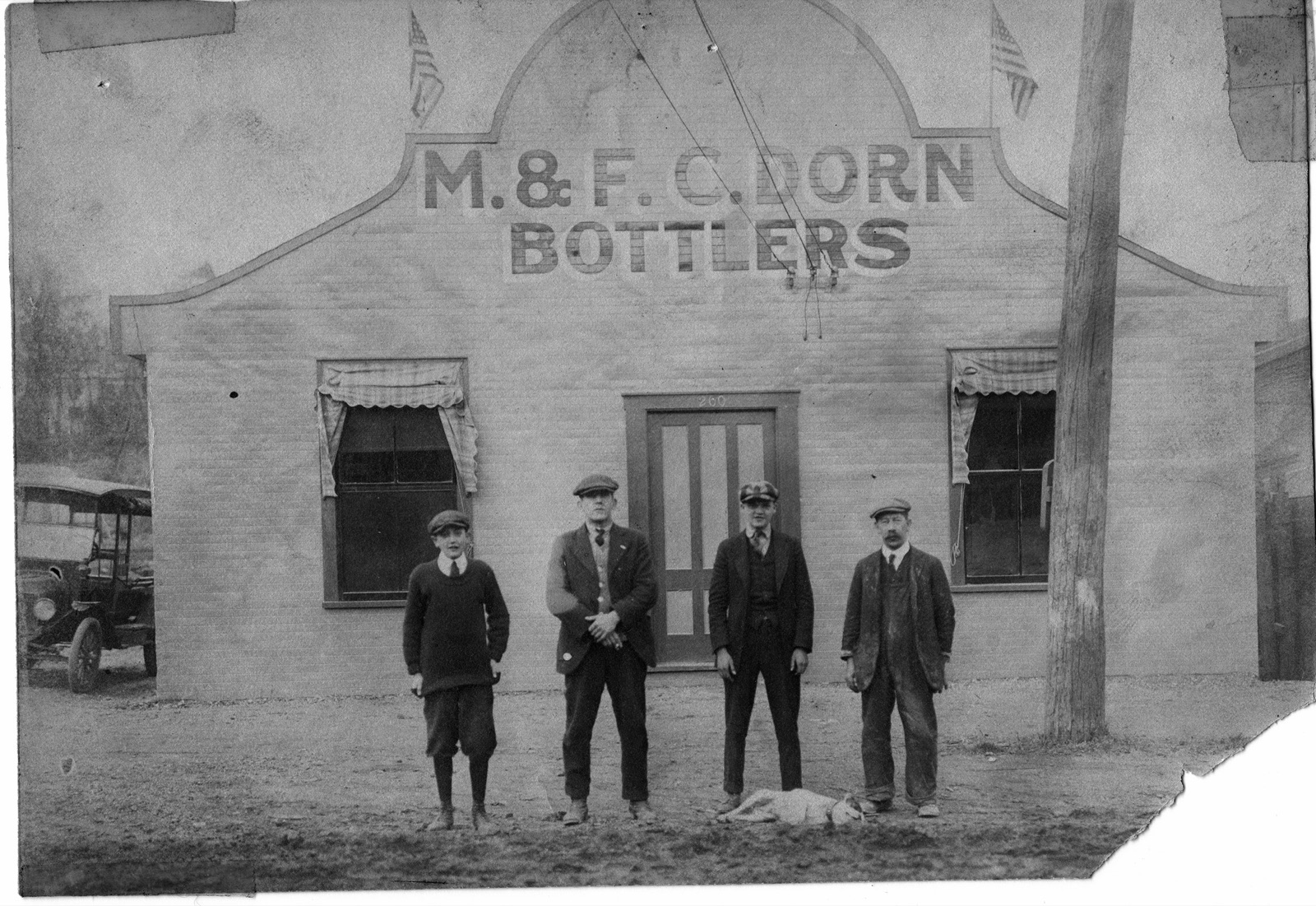
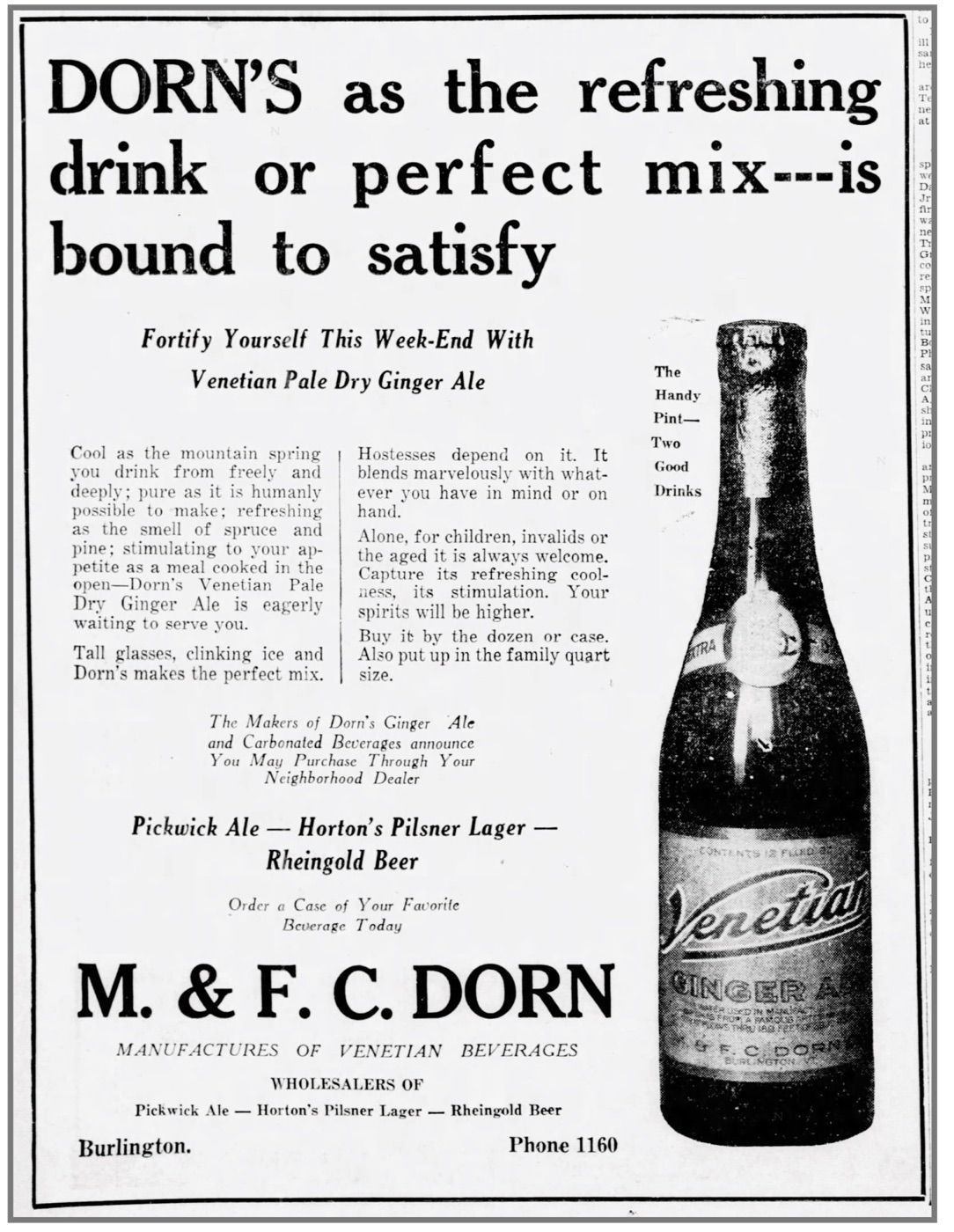
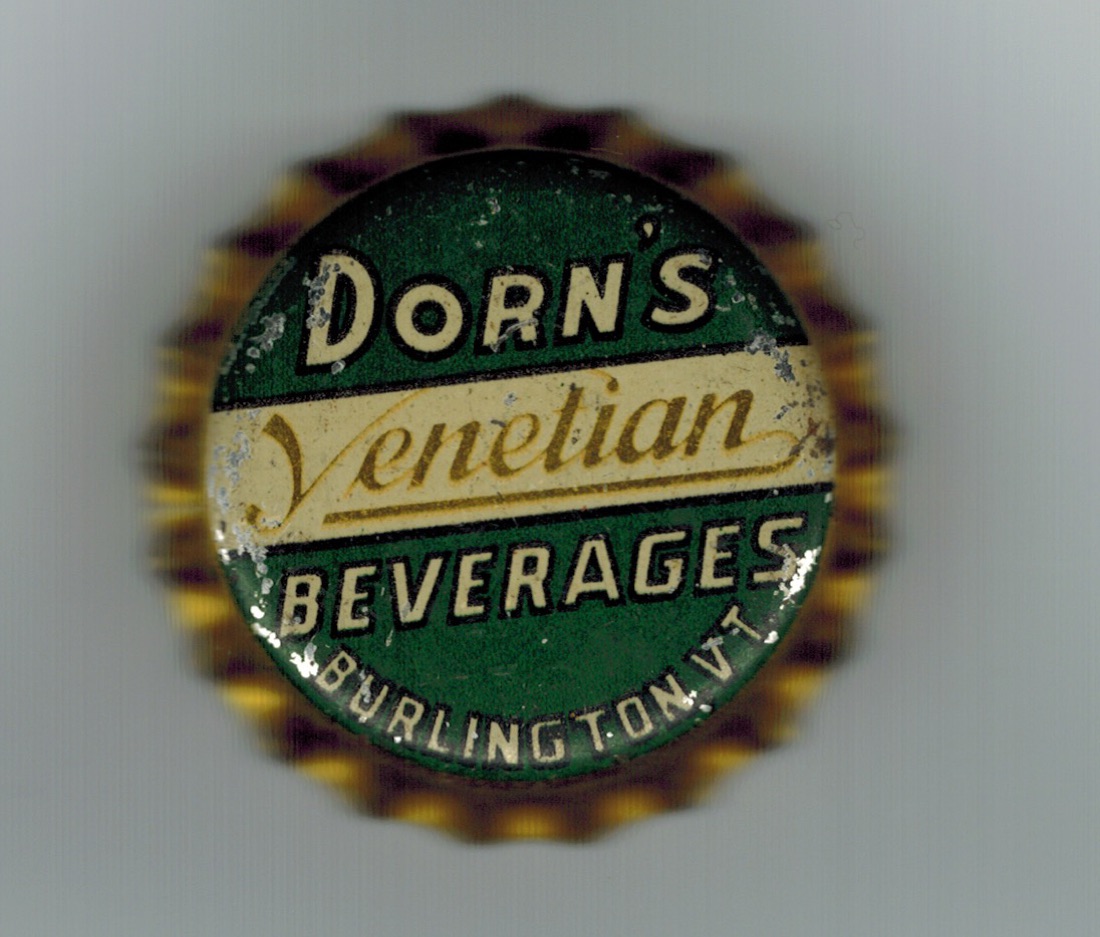
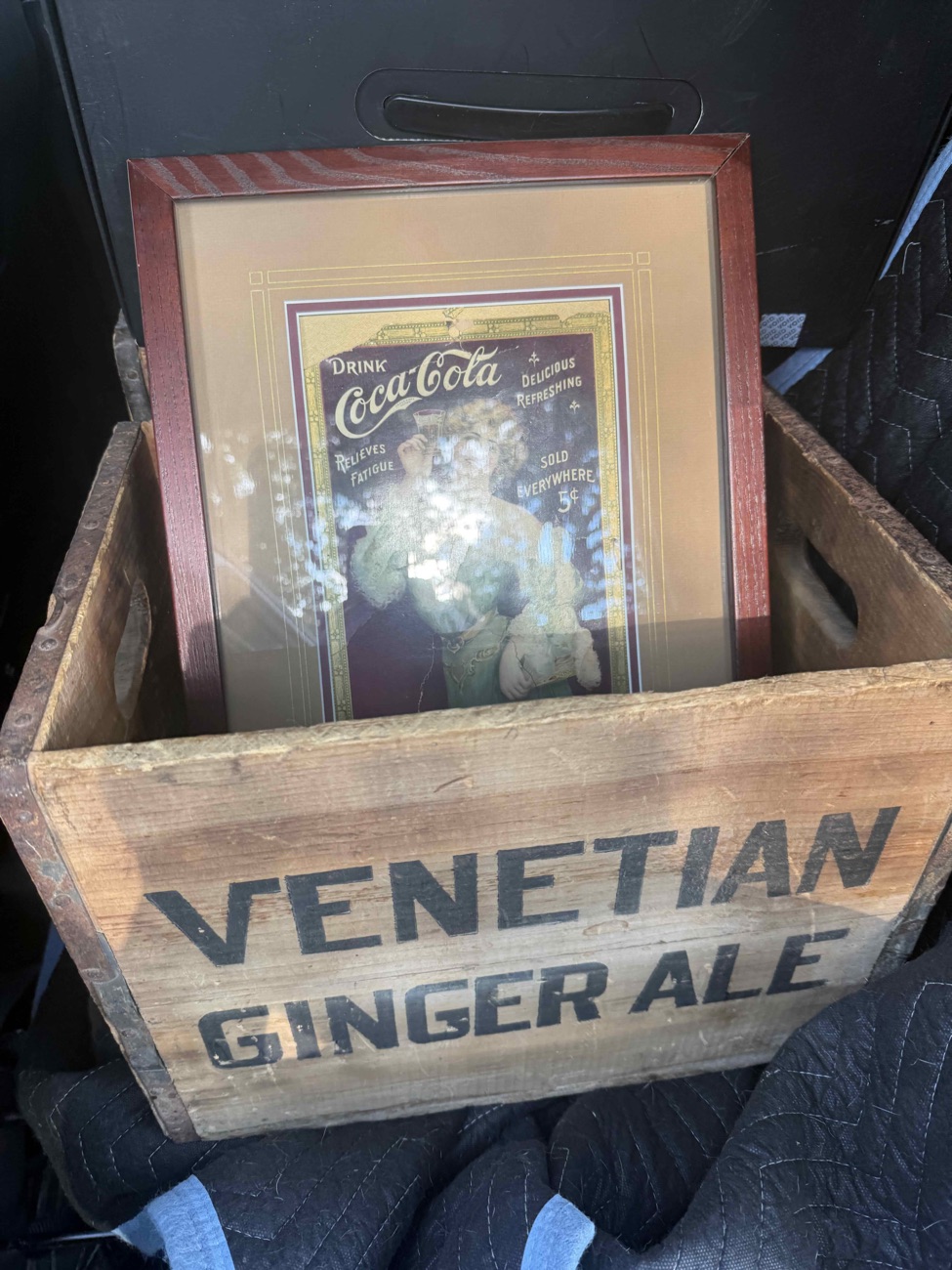
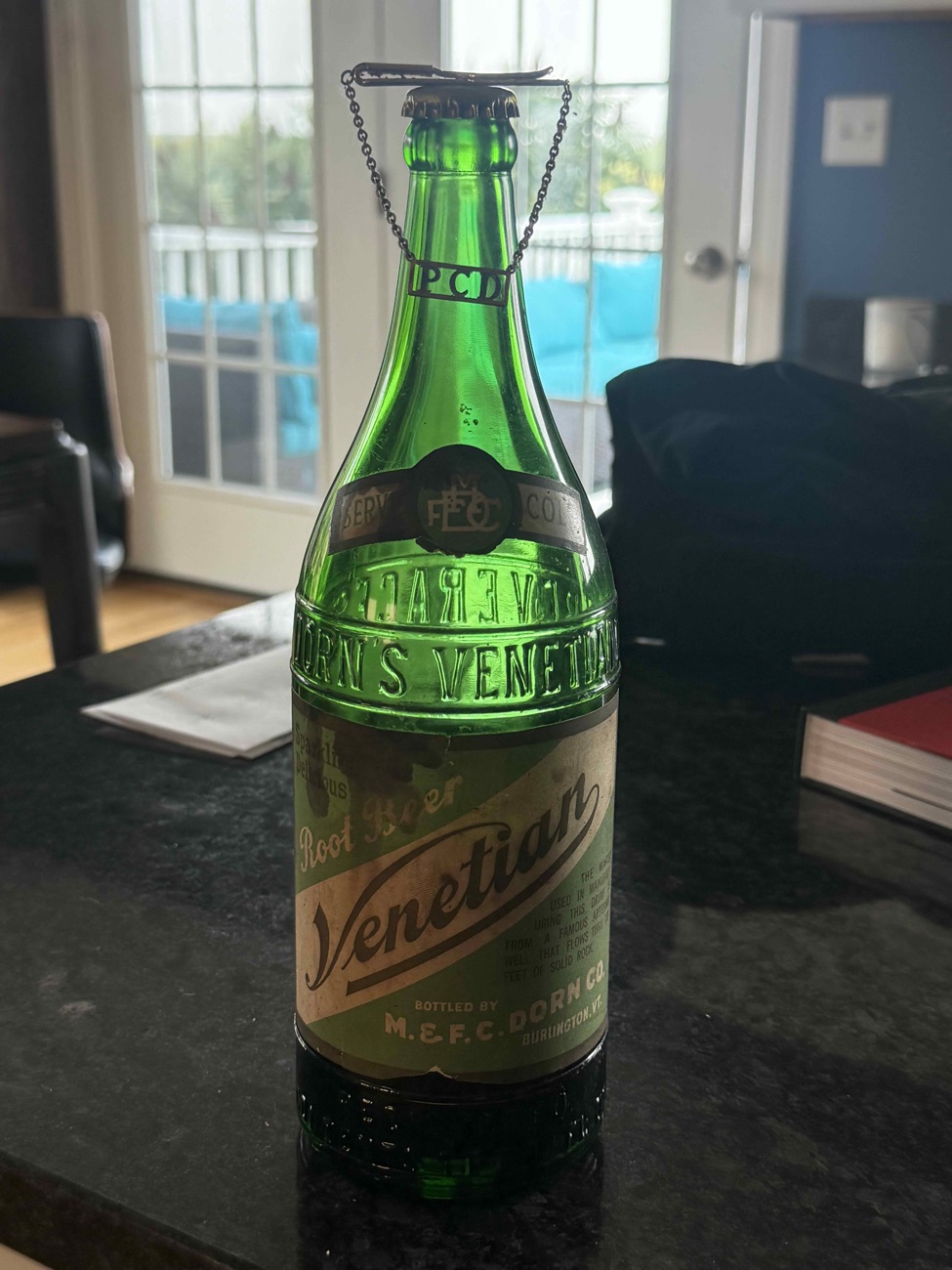
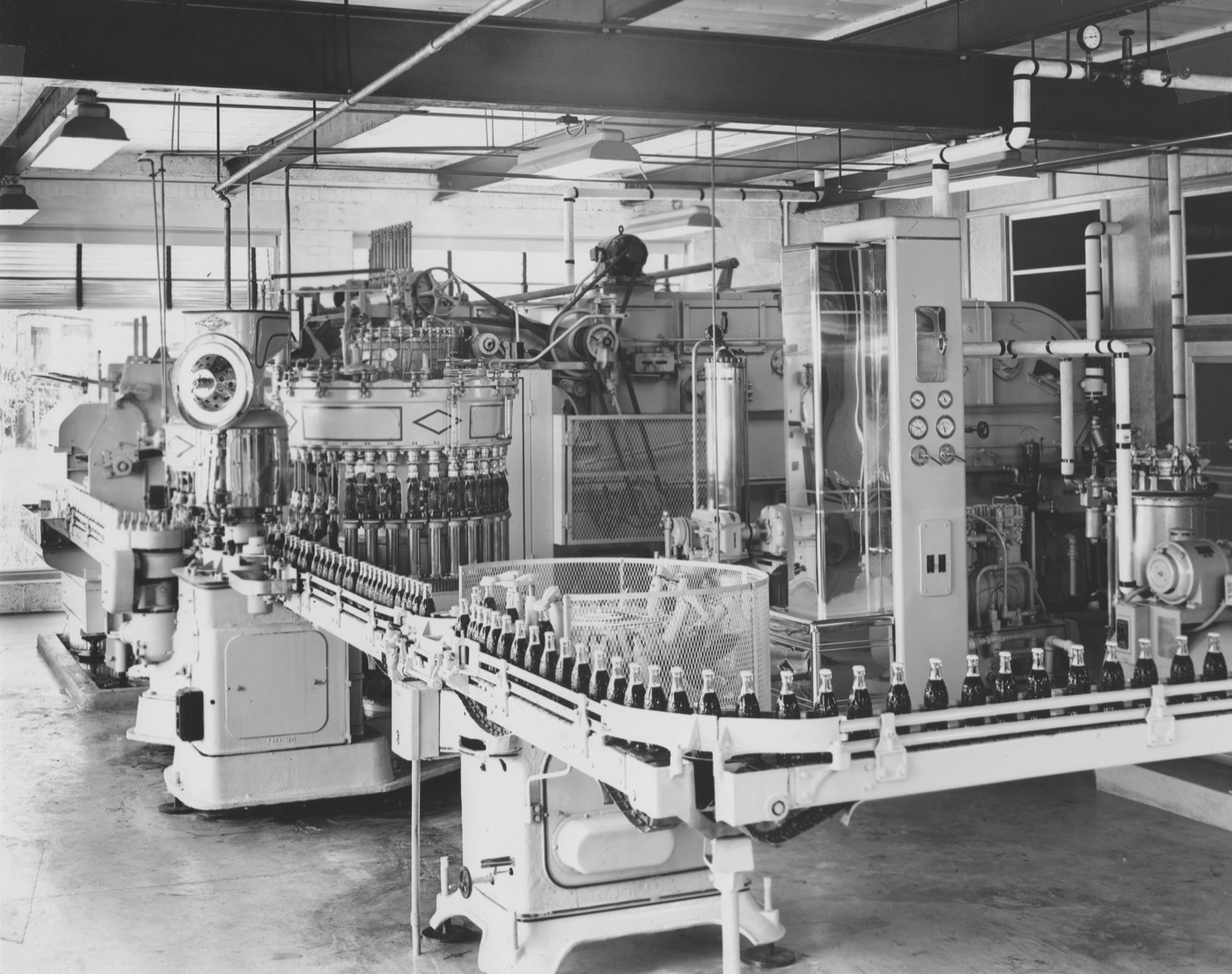
Archive material shared with the Impressing Ghosts™ project rather than duplicated. Captions carry only what the archive documents.
Reviving Venetian took more than reprinting an old label. A brand that only quotes its own history ends up trapped in it.
Venetian Ginger Ale came back in 2017. The identity was built to sit in the present and carry the past rather than cosplay it: contemporary packaging and photography, the original name and story kept intact, and local storytelling doing the work that a heritage claim on its own never does.
The archive stopped being a keepsake at that point and started being the creative brief.
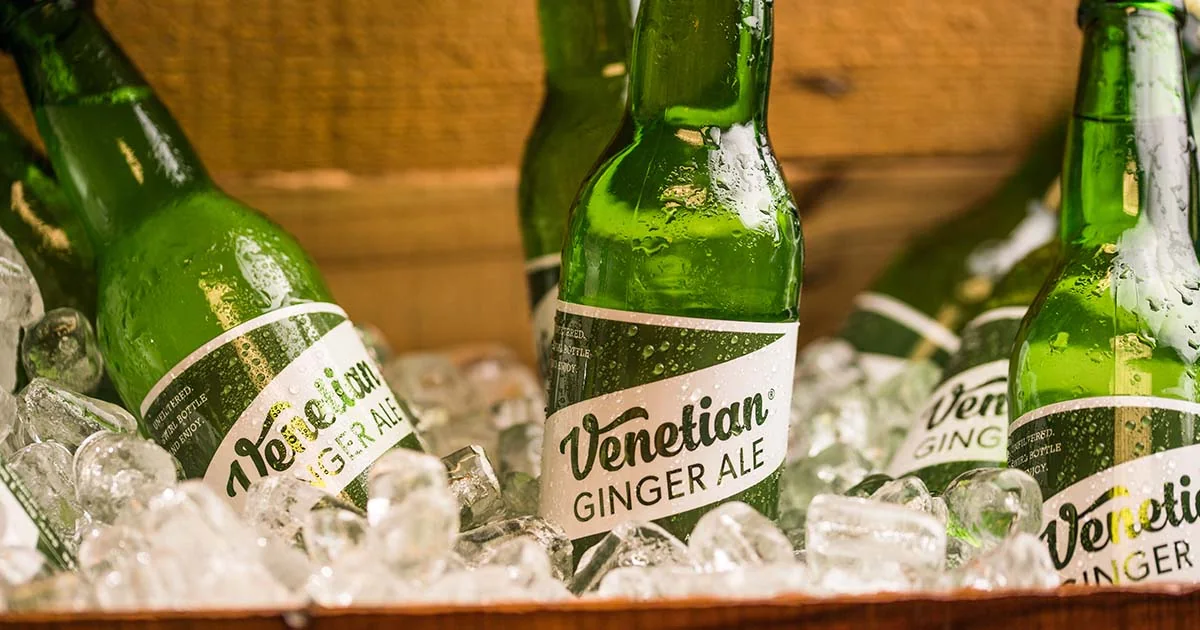
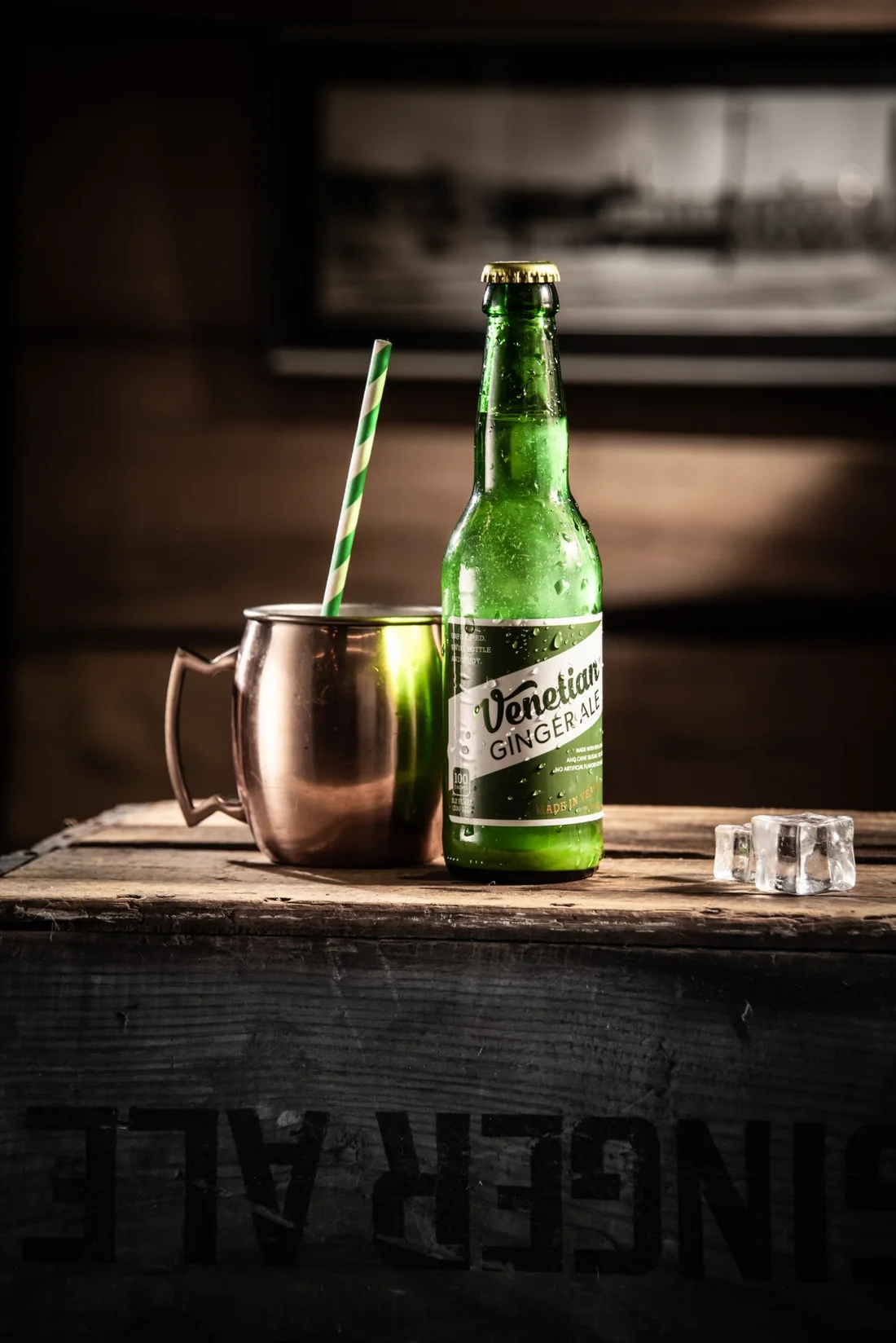
Venetian Ginger Ale became the centre of the revived brand: a physical object carrying a much larger argument about family, place, and the strange persistence of old ideas.
A bottle is an unforgiving format. It has to survive a cooler, a shelf, a distributor and a stranger’s first impression without a single word of explanation attached. Everything the brand meant had to fit on a label and in a taste.
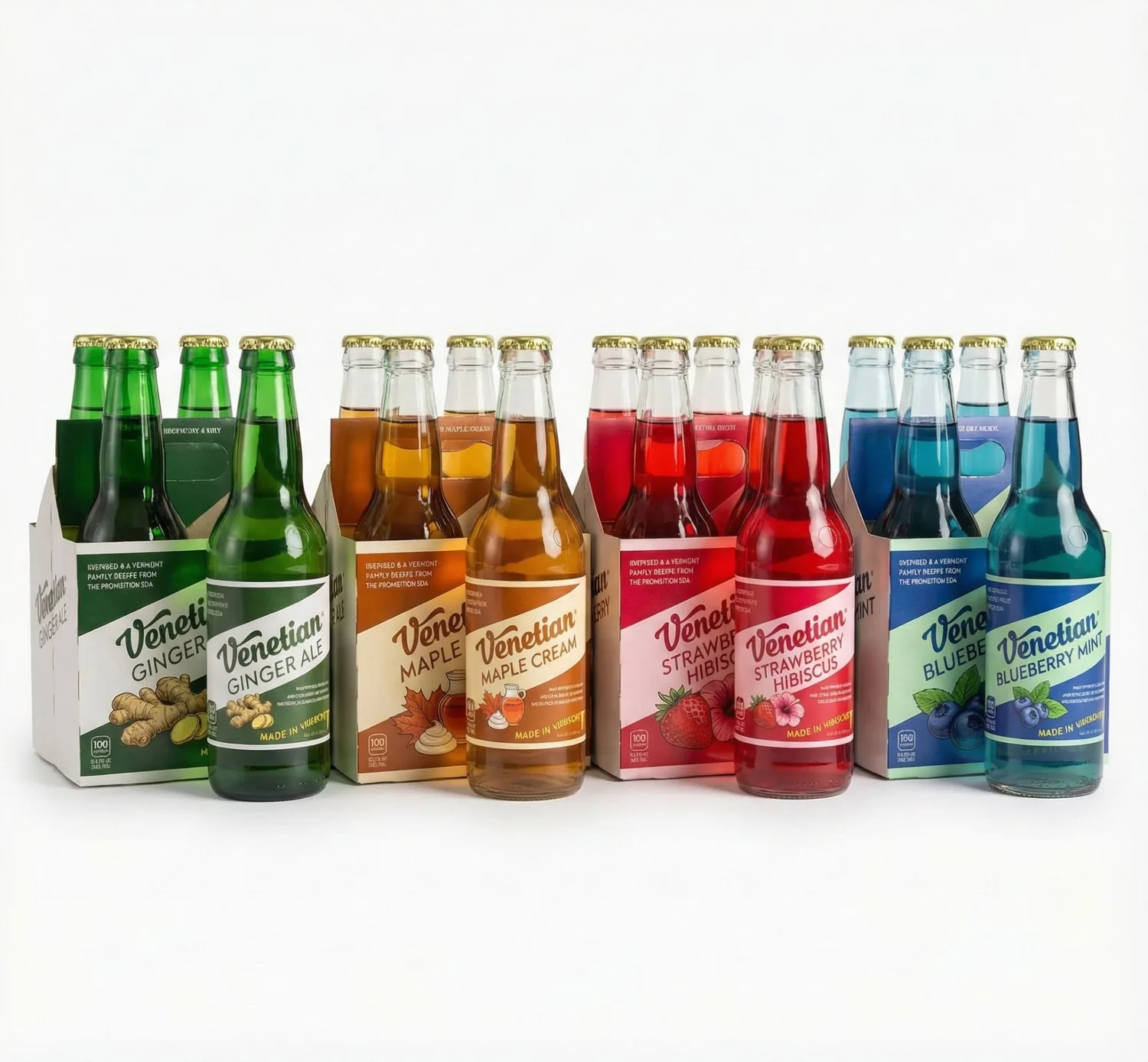
On the shelf beside it
Dorn’s Venetian Root Beer survives in the family archive as an original bottle rather than as a revived product. It is documented here as history, not as something you could buy.
A small beverage brand does not divide neatly into departments. The same week could involve a label revision, a delivery, a photograph and a conversation with someone who remembered the original.
Reformulating and reviving Venetian Ginger Ale as a shipping product, then building the identity around it: positioning, packaging, label design and the product photography the brand ran on.
Getting glass onto shelves. Seven Days reported in 2022 that the soda was carried by four distributors across New England, which is the part of a beverage brand nobody photographs.
Commercial photography, films, social content and historical research, all pointed at the same idea: the bottle is the easy part, the reason it exists is the story.
Festivals, tastings and sampling, and eventually a room of its own. The brand was tested in front of people long before it had a permanent address.
Venetian is the most complete business experiment I have run, because almost nothing in it could be changed in isolation. Product, packaging, price, manufacturing, distribution, marketing, events and eventually hospitality all pulled on each other.
Move the price and the distributor conversation changes. Change the label and the shelf changes. Add a festival and the production schedule changes. There is no part of it that is only design.
What it taught me is that a brand is not an identity system. It is the accumulated experience of every encounter someone has with the product, the story, the people behind it, or the room it lives in. That idea is the through-line of everything I have built since.
Over time the brand outgrew the bottle. Venetian Soda Lounge became the physical world around the story: a room where the drinks, the history, the music, the atmosphere and the hospitality could finally exist together at the same time.
It landed at 266 Pine Street: the same address the family built their soda plant at in 1917, and now home to the Burlington Soda Plant, Venetian Beverages and the lounge together. That was less a plan than the gravity of the thing. A brand pulled out of a Burlington archive ended up operating at the address it came from.
What began as a revived beverage turned into an experiment in building an entire experience around a brand.
Venetian was never marketed conventionally, mostly because conventional marketing was never affordable. What it had instead was material: a real history, a real place, and a willingness to make things nobody asked for.
The documented family and bottling history behind the brand, told as a film rather than a paragraph on a label.
An original short built around the ginger ale, featuring a soda maker, a ghostly visitor, and Gingy, a mechanical employee with a somewhat complicated inner life.
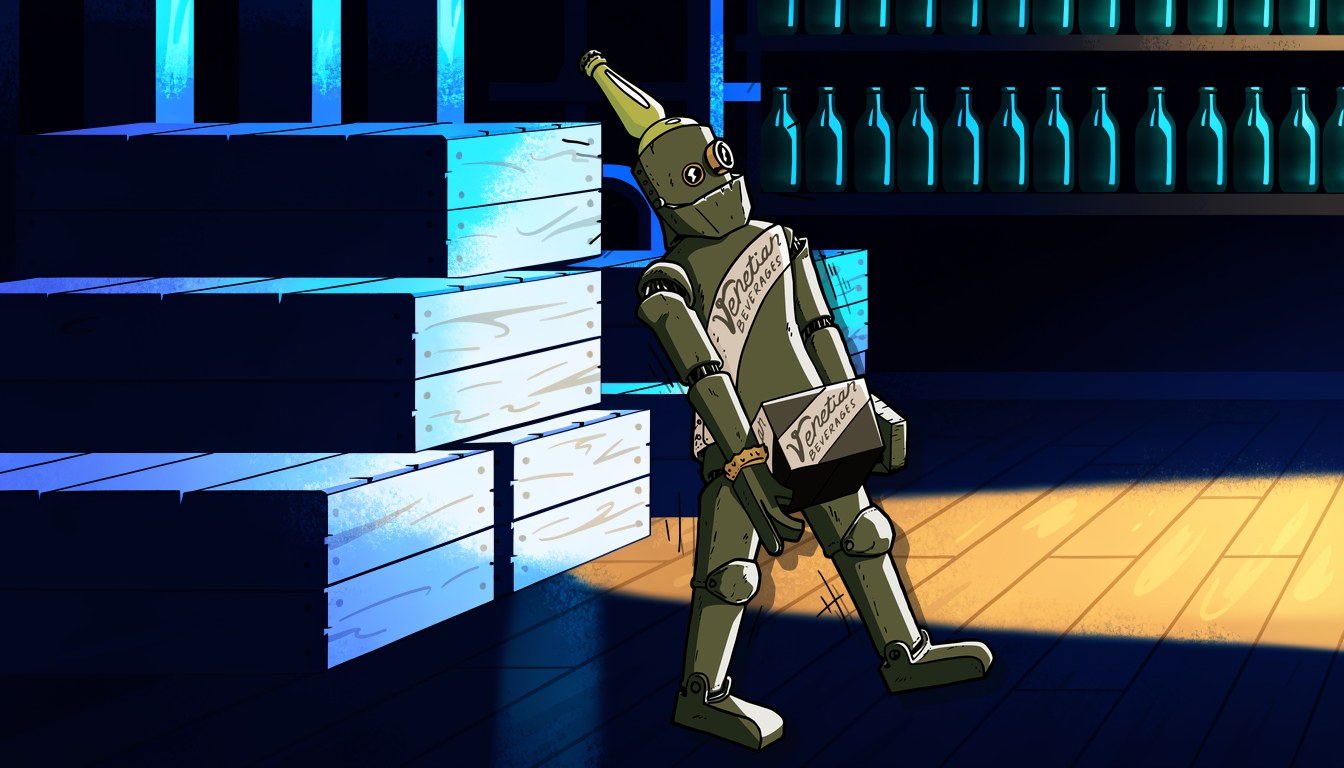
Somewhere along the way the ginger ale acquired a robot. Gingy started as a character and became another way to give the brand a personality that packaging and advertising could not reach on their own.
Years of rebuilding Venetian eventually produced a harder question than any of the business ones: why was I so determined to bring this back in the first place?
That question became Impressing Ghosts™, a memoir about the family history behind Venetian, the revival itself, and the cost of trying to live up to people who are no longer there to be impressed.
Explore Impressing Ghosts™Founder · Brand revival · Creative direction
Beverage manufacturing itself was carried out by production partners. The work listed here is the work I did.