Immersive Hospitality: Creating Moments That Change People
How storytelling, genuine attention, and imaginative spaces can change the way people see the world and themselves
There is a difference between serving someone and making them feel seen.
A drink can be perfectly made. A room can be beautifully decorated. A performance can run on schedule. The staff can remember every step of service. All of that matters, but excellent hospitality can go further. At its best, it can briefly change the way someone sees the world and, sometimes, the way they see themselves.
That is what I mean when I talk about immersive hospitality.
Immersion is often associated with technology, theatrical scenery, or expensive attractions. Those tools can certainly help, but true immersion is not measured by how many lights, projections, props, or animatronics surround a guest. It is measured by whether the experience becomes emotionally real to them.
For a little while, the outside world disappears. People become more present. They listen more closely. They notice one another. They remember that life can still contain surprise.
Hospitality Can Change the Story
Steve Wynn has spoken about the importance of giving people an enhanced sense of self-esteem. I have always found that idea fascinating because it moves hospitality beyond luxury, efficiency, or spectacle.
The real question becomes: How does someone feel about themselves while they are with us?
Walt Disney understood that an environment could change a person’s emotional state. He did not simply build places filled with rides. He created worlds where families could step outside ordinary life and share an adventure together.
Dale Carnegie approached the same human need from another direction. His work emphasized sincere interest, appreciation, listening, and the fundamental desire every person has to feel important.
These philosophies meet in immersive hospitality.
The setting tells the guest that they have entered somewhere special. The story gives the experience meaning. Genuine human attention tells them that they belong there.
When those elements work together, hospitality can do more than entertain someone. It can interrupt their normal outlook on life.
What We Learned at Venetian Soda Lounge
Venetian Soda Lounge was built around the belief that slowing down is a luxury.
We created a listening room where conversation, music, cocktails, craft soda, lighting, history, and storytelling could all work together. The goal was never simply to sell someone a beverage or place a band in the corner. We wanted people to feel that they had discovered a place with a soul.
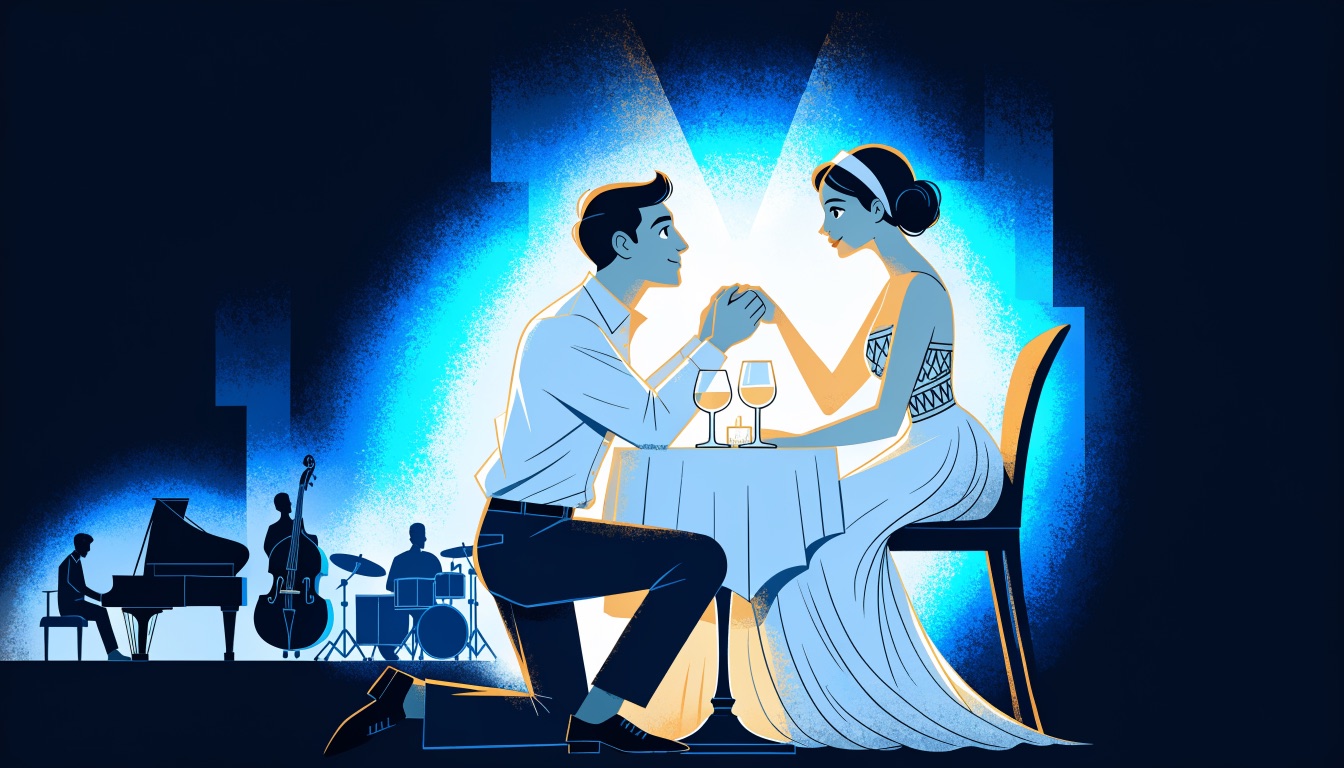
Some guests became engaged at the Venetian. Think about what that means. A room we created became part of the story their family may tell for generations.
They may forget exactly what was on the menu. They may not remember the lighting cue or the song playing before the proposal. But they will remember how the room felt when one chapter of their lives ended and another began.
That is the true product of immersive hospitality. The product is the memory.
One of the most meaningful examples came from Jess and Brenan of the All Night Boogie Band. They performed an intimate show at the Venetian, in a room designed for people to truly listen.
That distinction matters.
Musicians often perform in spaces where they compete with conversations, television screens, clattering glasses, and the general commotion of a night out. At the Venetian, the audience was paying attention. People were not merely near the music. They were present for it.
Jess and Brenan could feel that difference.
The experience helped them recognize that people genuinely wanted to hear what they had created. It gave them greater confidence in their abilities and, more importantly, in their own worth as artists.
We did not manufacture that talent or give them something they did not already possess. We created the conditions that allowed them to see it more clearly.
That may be one of the most powerful things a hospitality experience can accomplish. It can hold up a better mirror.
Storytelling Creates Permission
My work with the Rufus Hightower intellectual property comes from this same belief.
Rufus Hightower is not simply a character or a collection of stories. He represents curiosity, adventure, history, imagination, and the possibility that the ordinary world may contain secret doors. Building that universe allows me to create experiences in which guests are not merely spectators. They become explorers, collaborators, and participants in something larger than the room around them.
Gingy 9000 approaches the idea from a different angle. As a mascot and piece of intellectual property, Gingy can create immediate warmth, humor, recognition, and play. A character gives people permission to lower their guard. Adults can become curious again. Children can engage without needing an explanation. A business gains a personality that can live beyond a single transaction.
Rufus Hightower and Gingy 9000 may occupy different corners of my imagination, but they share a purpose. Both can invite people into a world where they feel more curious, more connected, and a little more alive.
That is not escapism in the dismissive sense. Sometimes stepping outside ordinary life is exactly what allows us to return to it with a renewed outlook.
The Technology Must Serve the Human Moment
I love the mechanics of immersive experiences: lighting, sound, music, practical effects, video, scenic design, interactive objects, characters, and environmental storytelling. But none of those things matter if they become more important than the people in the room.
Technology can create wonder, but attention creates connection.
A beautifully designed environment may bring someone through the door. What they remember is the bartender who noticed they were celebrating, the performer who made eye contact, the host who remembered their name, or the room full of strangers who became completely silent when the first note was played.
The spectacle sets the stage. Human recognition completes the experience.
That is where Wynn’s enhanced self-esteem, Disney’s environmental storytelling, and Carnegie’s sincere interest in others all converge. The greatest hospitality experiences communicate something simple:
You matter here.
The Experience Continues After the Guest Leaves
I believe the highest ambition of hospitality is not merely to leave someone satisfied. It is to send them back into the world slightly changed.
Perhaps they leave more confident in their art.
Perhaps they feel closer to the person sitting across from them.
Perhaps they become engaged.
Perhaps a character awakens their curiosity, a song reminds them of who they used to be, or an unexpected act of kindness restores a little faith in people.
These moments cannot always be scheduled, and they certainly cannot be guaranteed. But we can design environments where they are more likely to happen.
We can create rooms that reward attention. We can tell stories that invite participation. We can train teams to recognize the emotional experience behind the transaction. We can replace empty spectacle with thoughtful details and genuine care.
That is my dedication to immersive hospitality.
I want to create experiences that are entertaining, beautifully executed, and financially successful. But I also want to create places where people discover something about themselves.
Because the best hospitality does not simply ask, “Did you enjoy your visit?”
It quietly asks a more interesting question:
“Do you see the world, or yourself, a little differently now?”